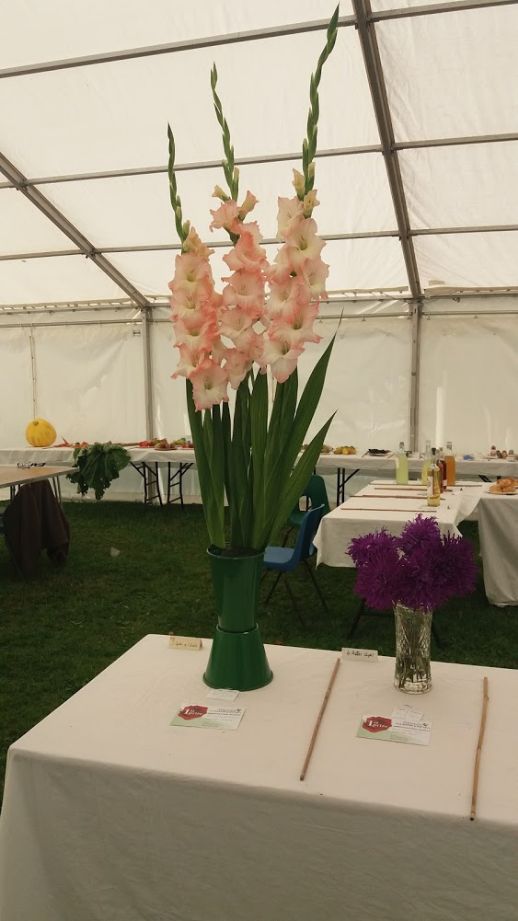
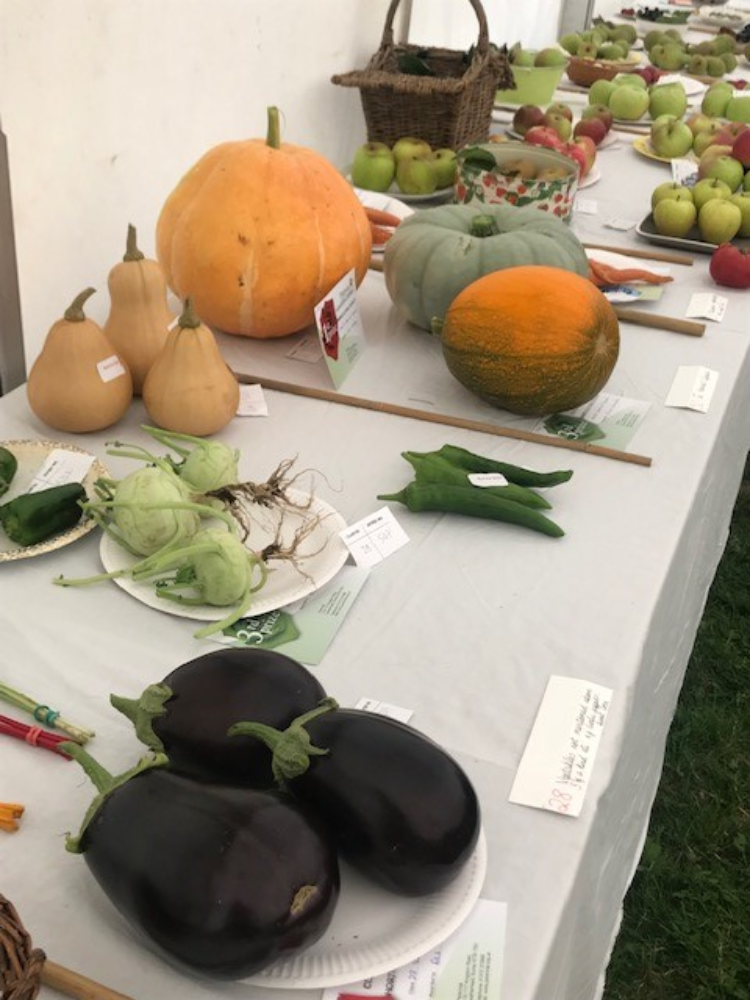
Grow it, make it, bake it, show it!

Spring Plant Sale

Sat 16th May 2026
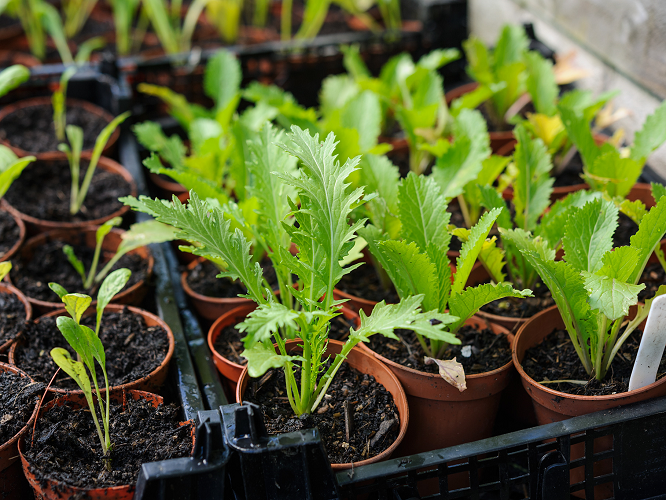
Lots of bargain plants grown by members and suppliers - herbs, vegetables, annuals, perennials and herbaceous flowers. Plus books, seeds, pots and a children's seeding station.
Stock up and get growing for our Flower and Produce Show later in the year.

10:00-12:00am Admission FREE
Claverton Down Community Hall grounds
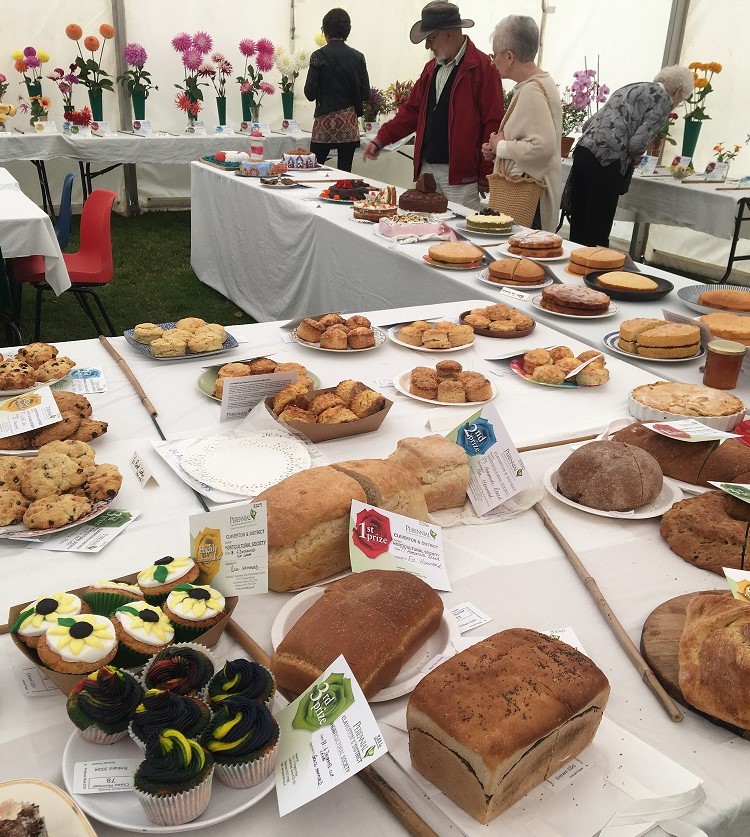
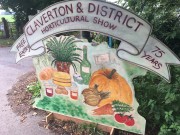
The 82nd Annual Flower & Produce Show

Sat 5th Sept 2026
Established over 100 years ago, the show attracts entries from Widcombe, Claverton Down, Combe Down and further afield. Over 120 entry classes of fruit, vegetables, flowers, baking, photography and crafting.
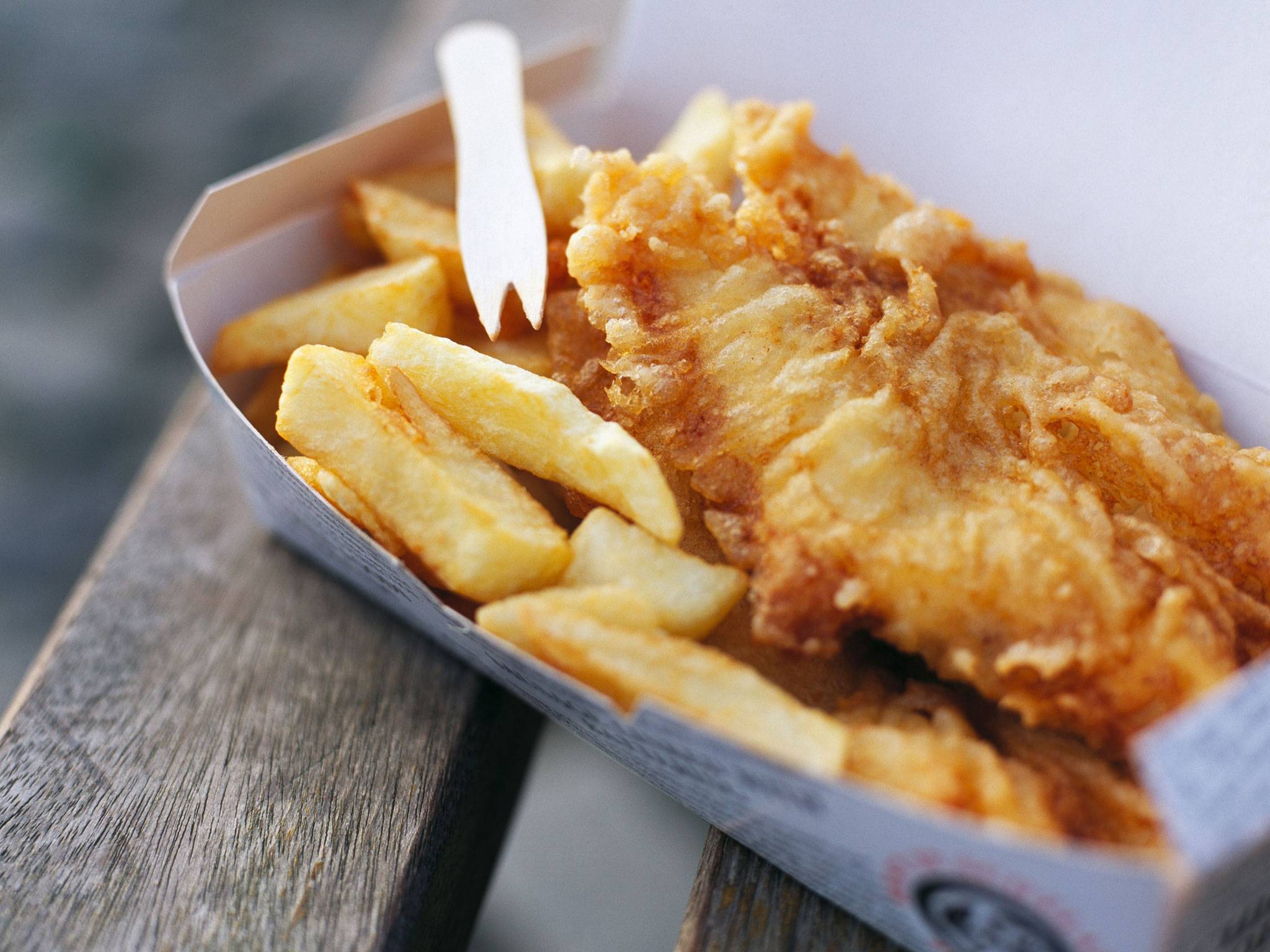
Autumn AGM Fish & Chip Supper

Thurs 15th Oct 2026
7-11pm
Entry £13 pp (includes food)
A chance for members to get together and reflect on the year, welcome new members and hold a short AGM. Followed by an informal fish and chip supper and a quiz. BYO drinks.

The Annual Flower & Produce Show

SATURDAY 6th SEPTEMBER 2025

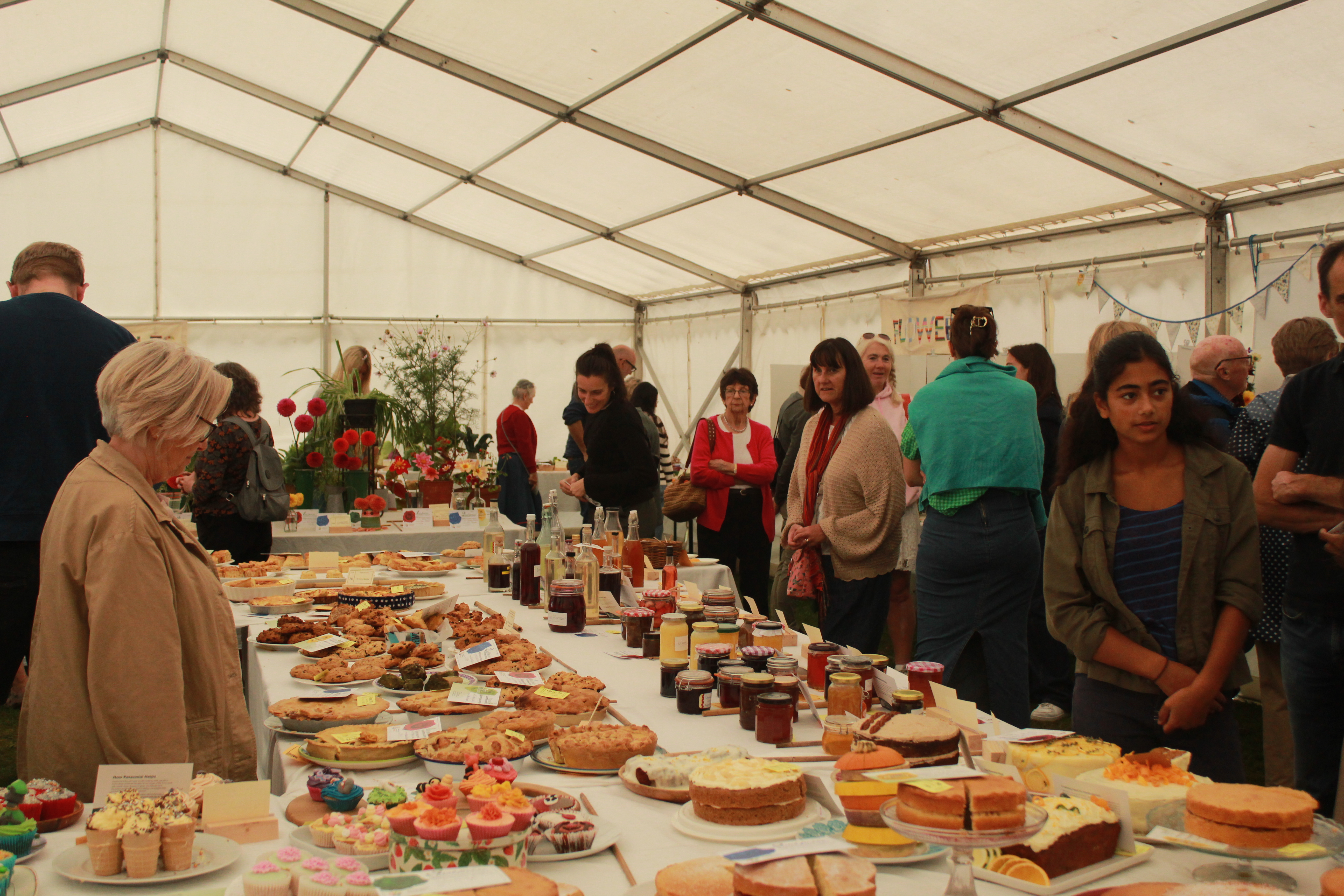
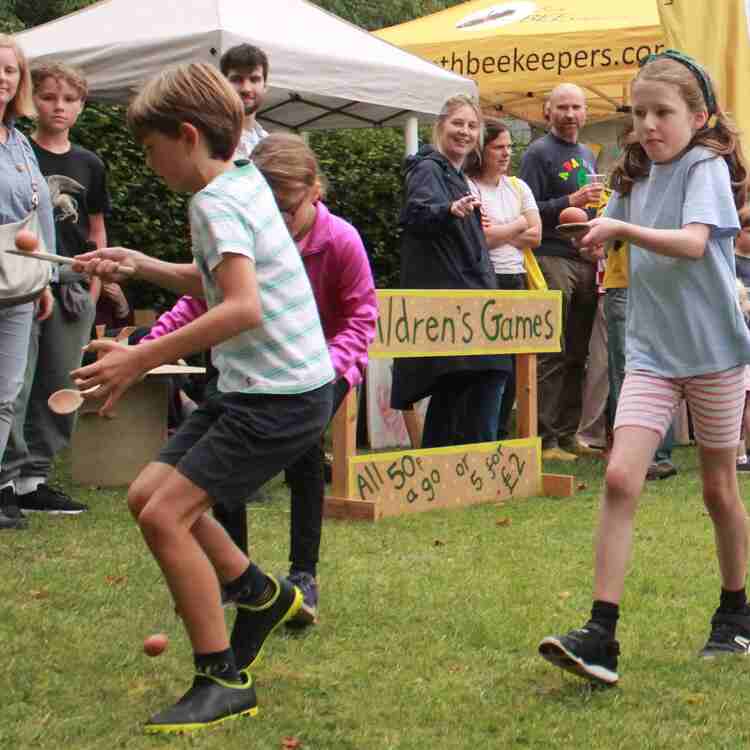
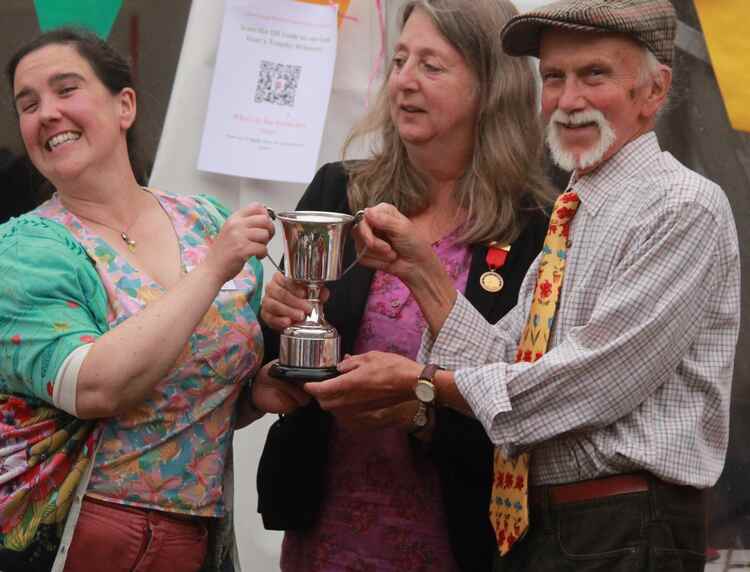
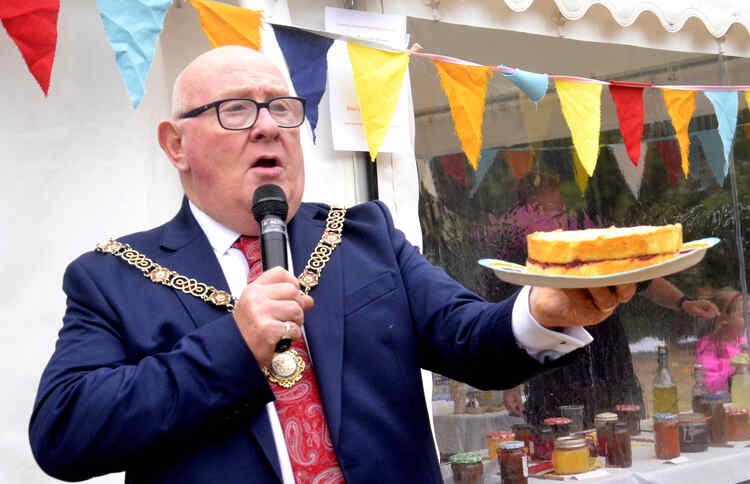
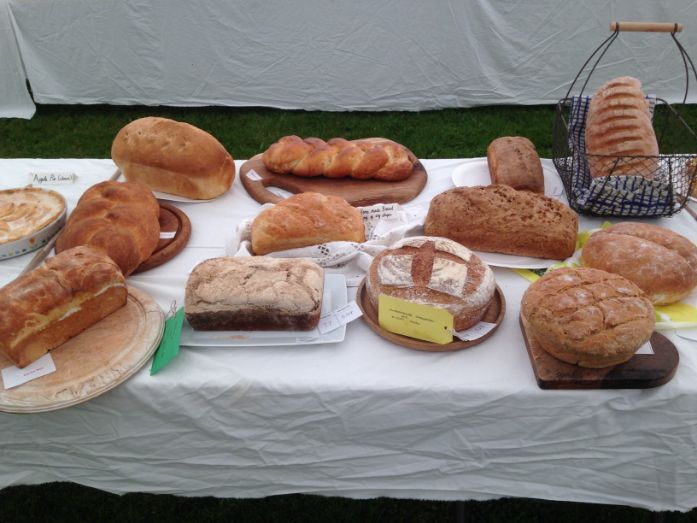
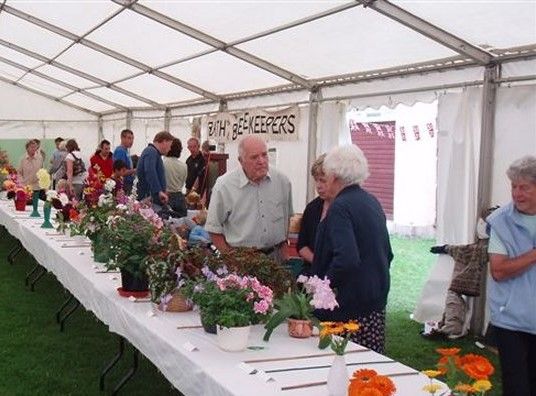
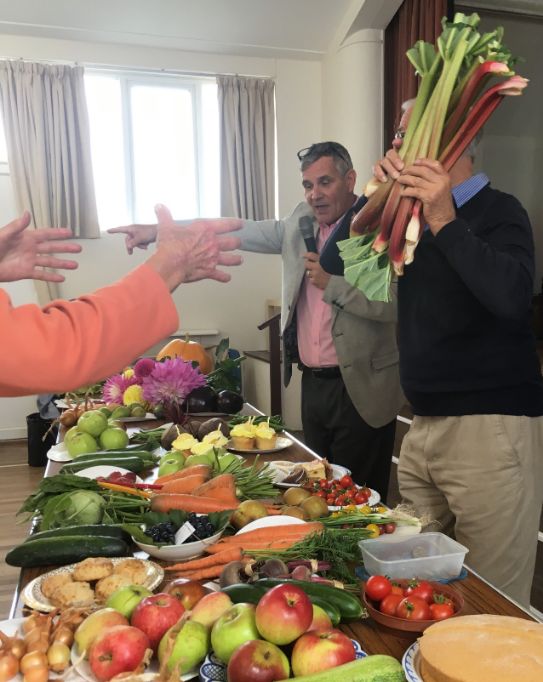
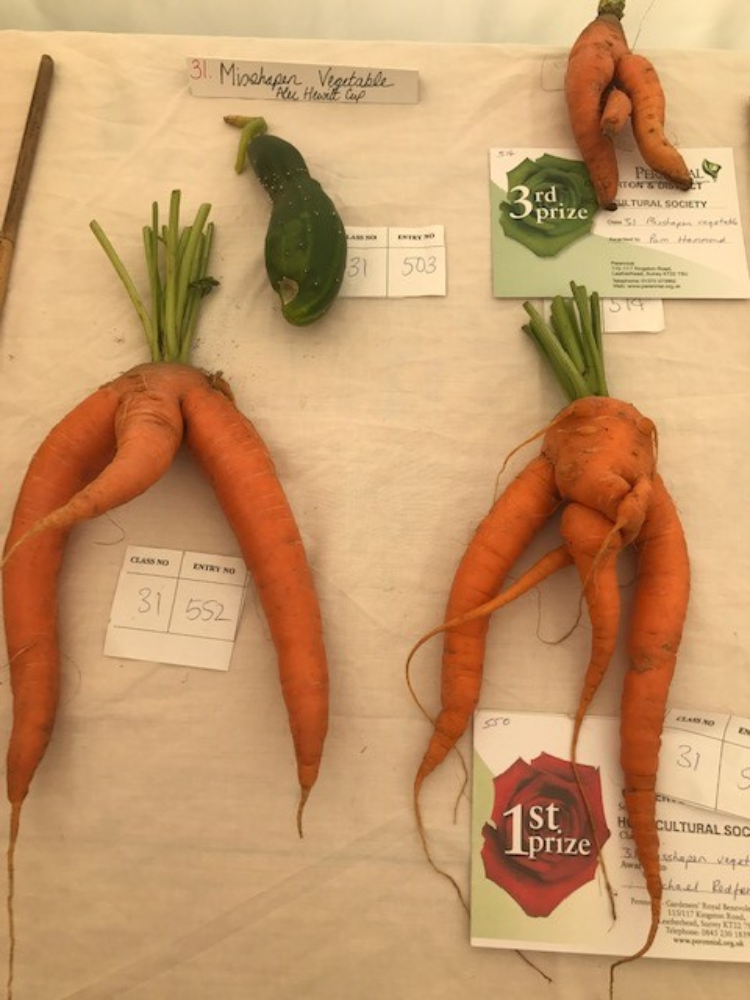
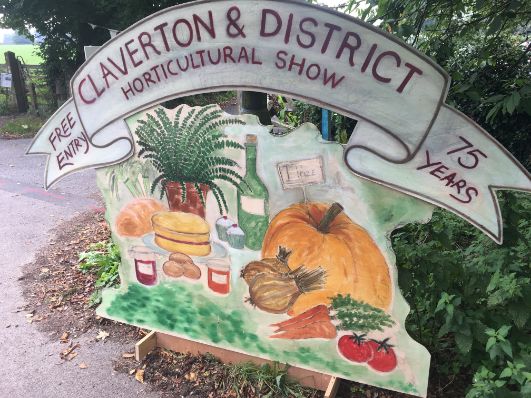
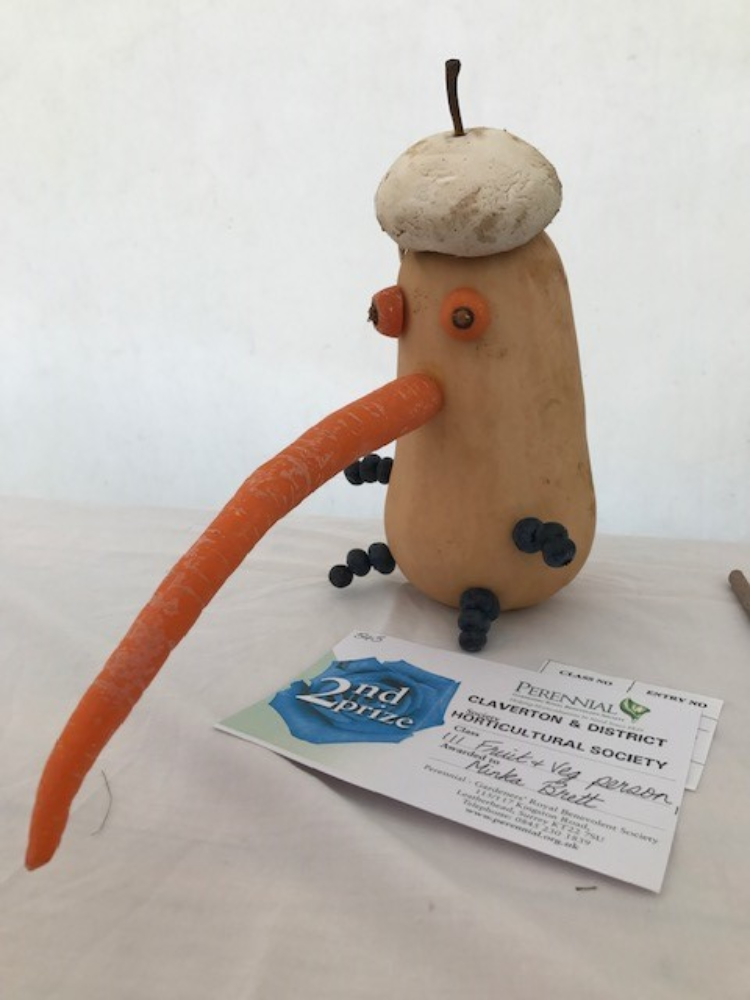
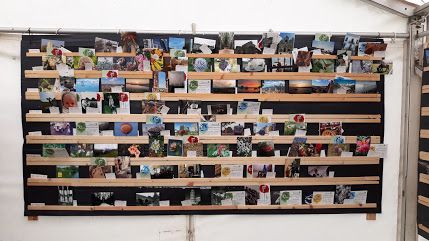
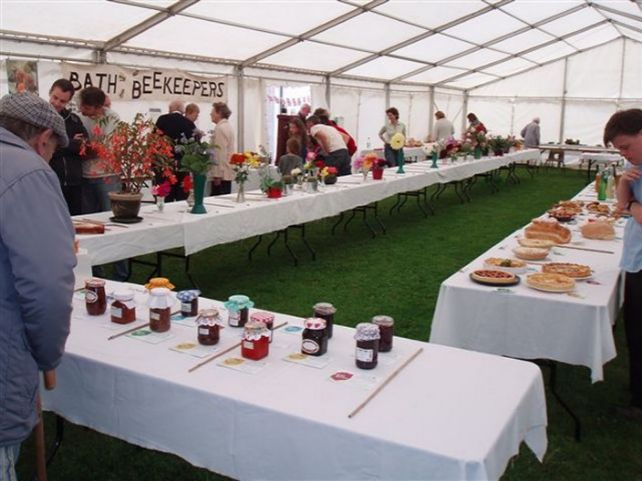
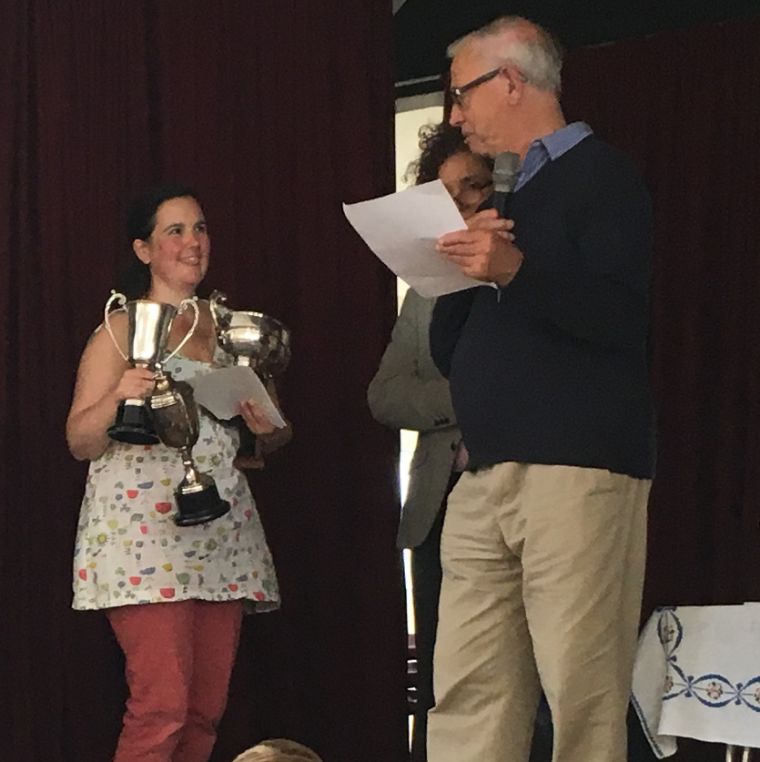
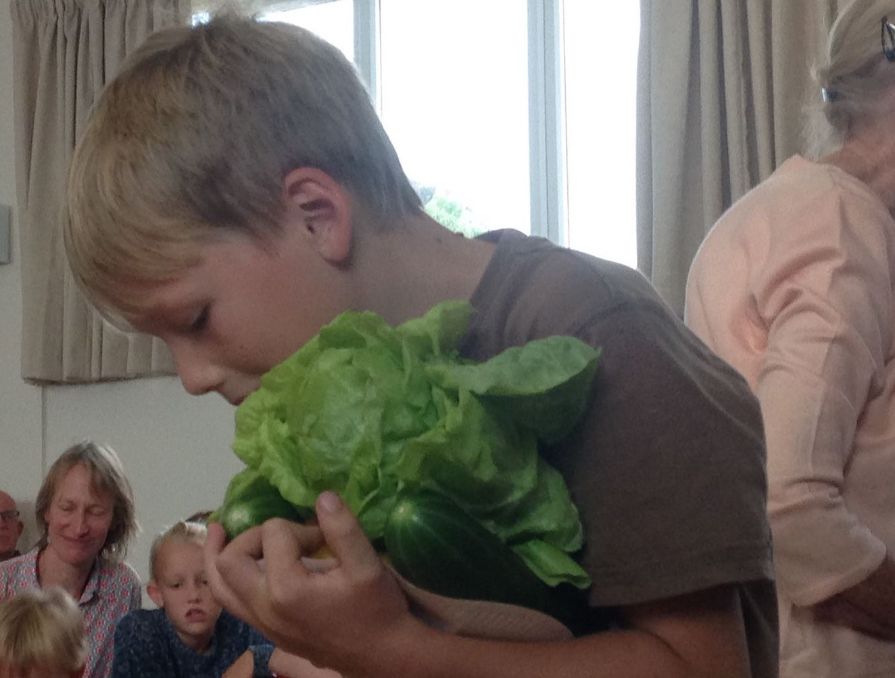
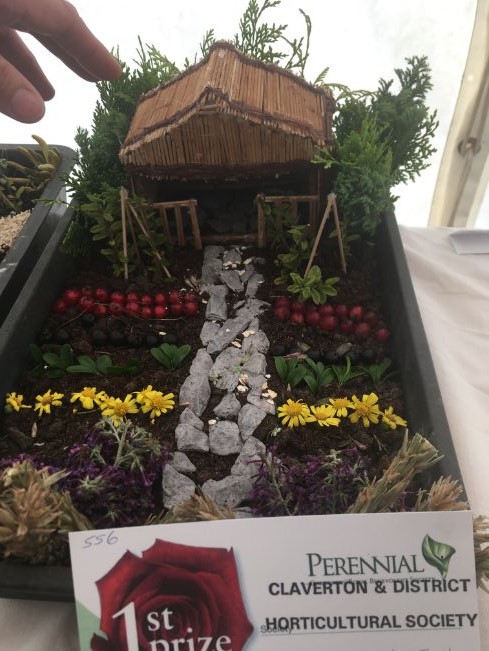
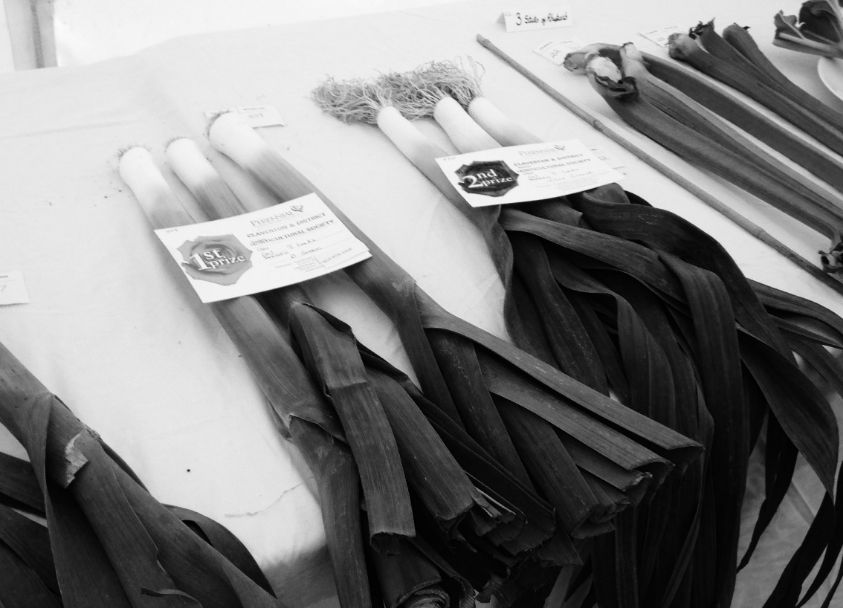
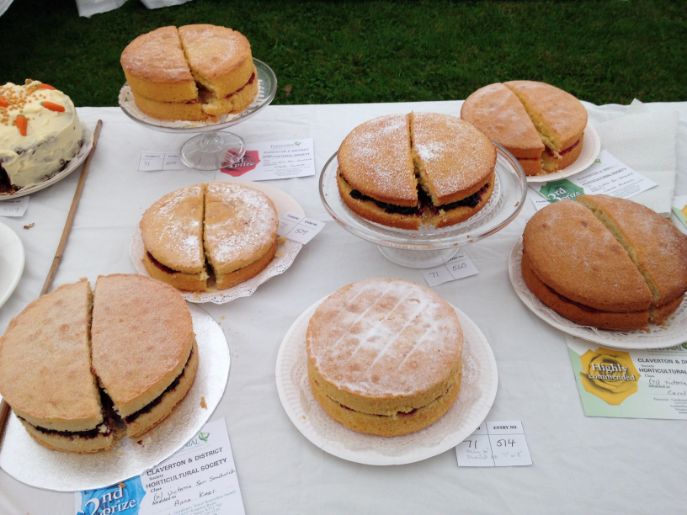
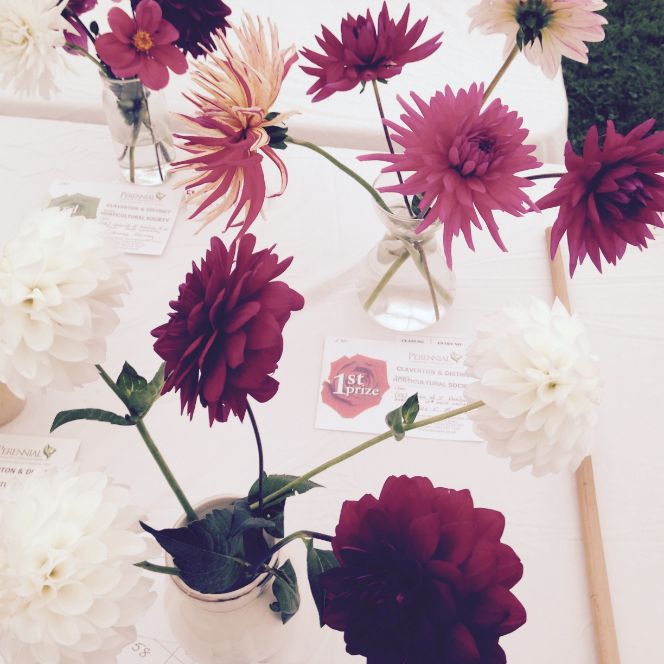
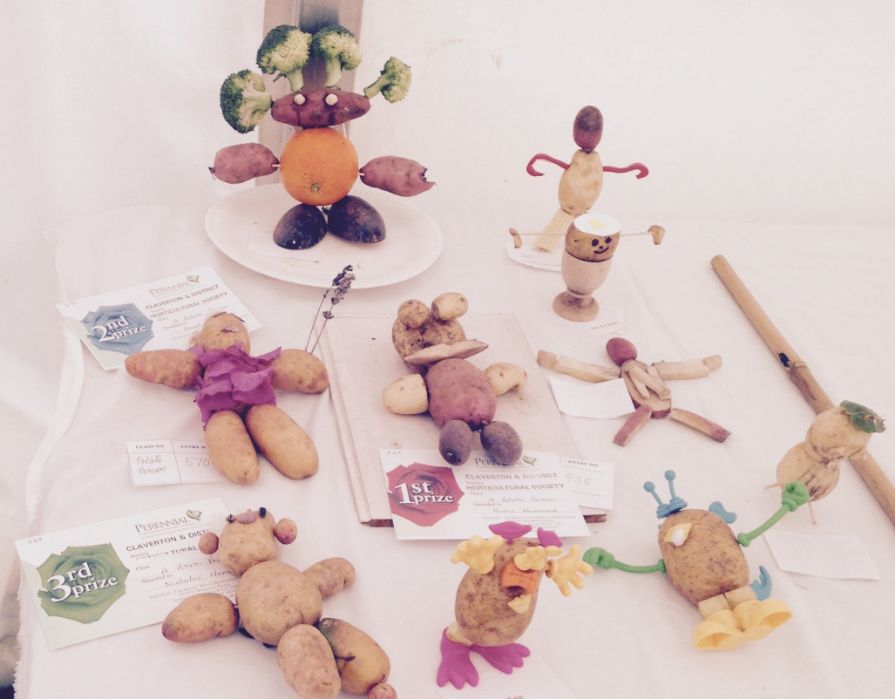
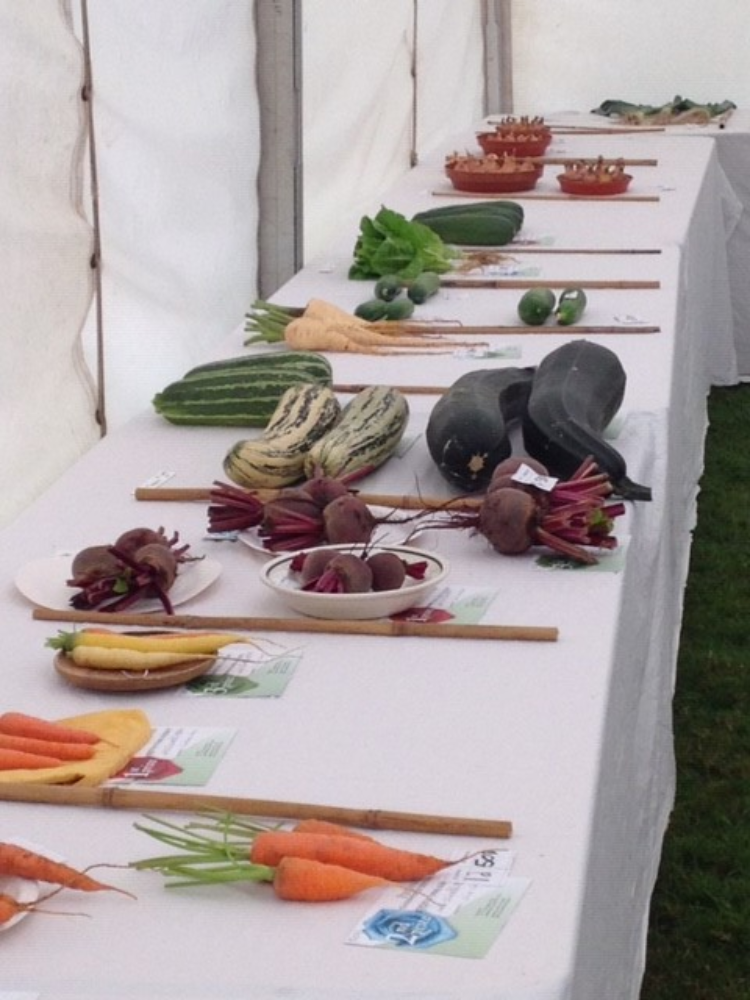
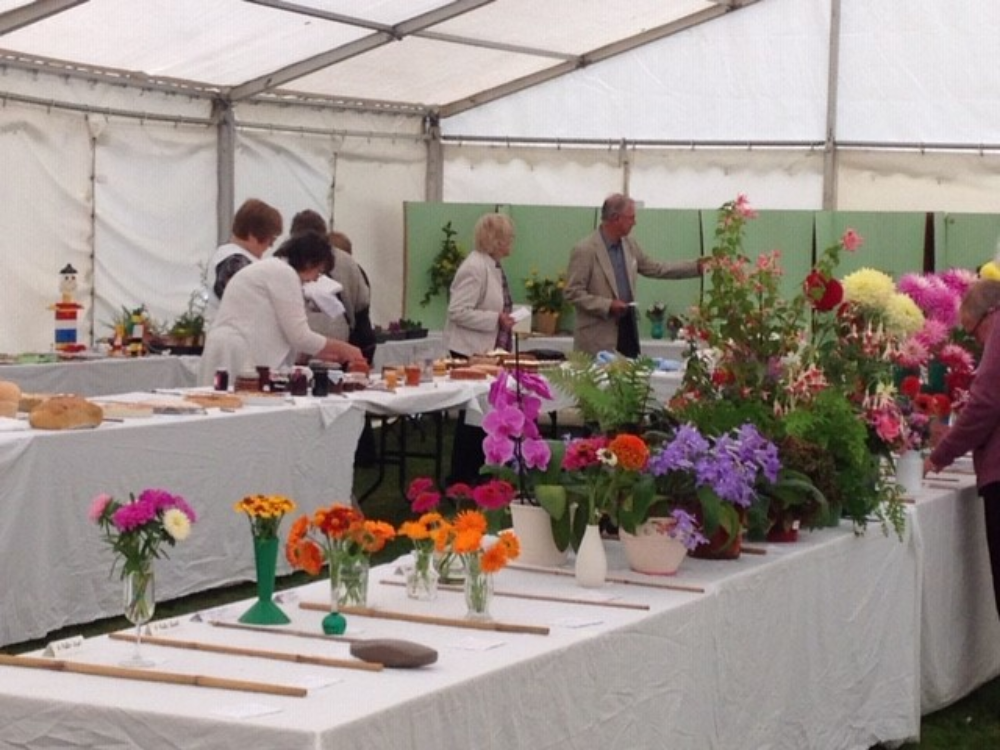
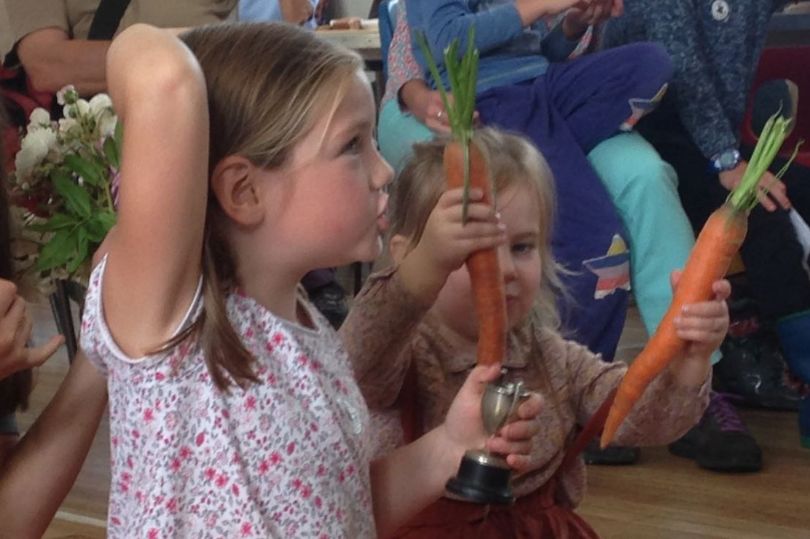
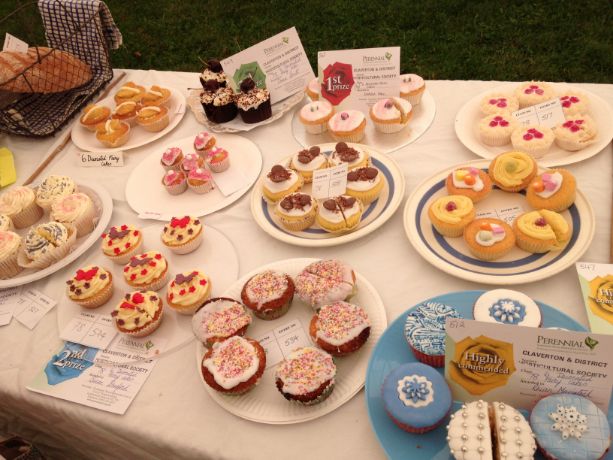
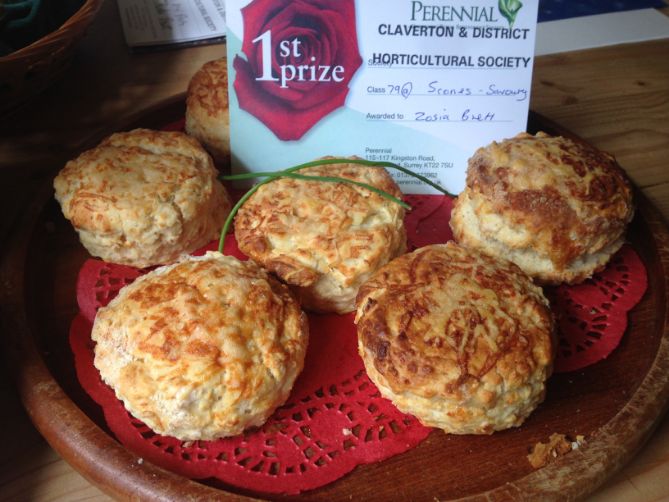
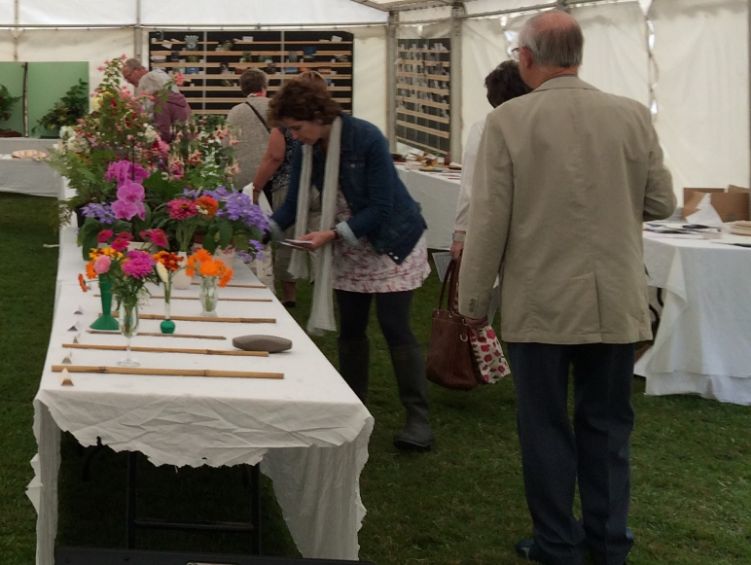
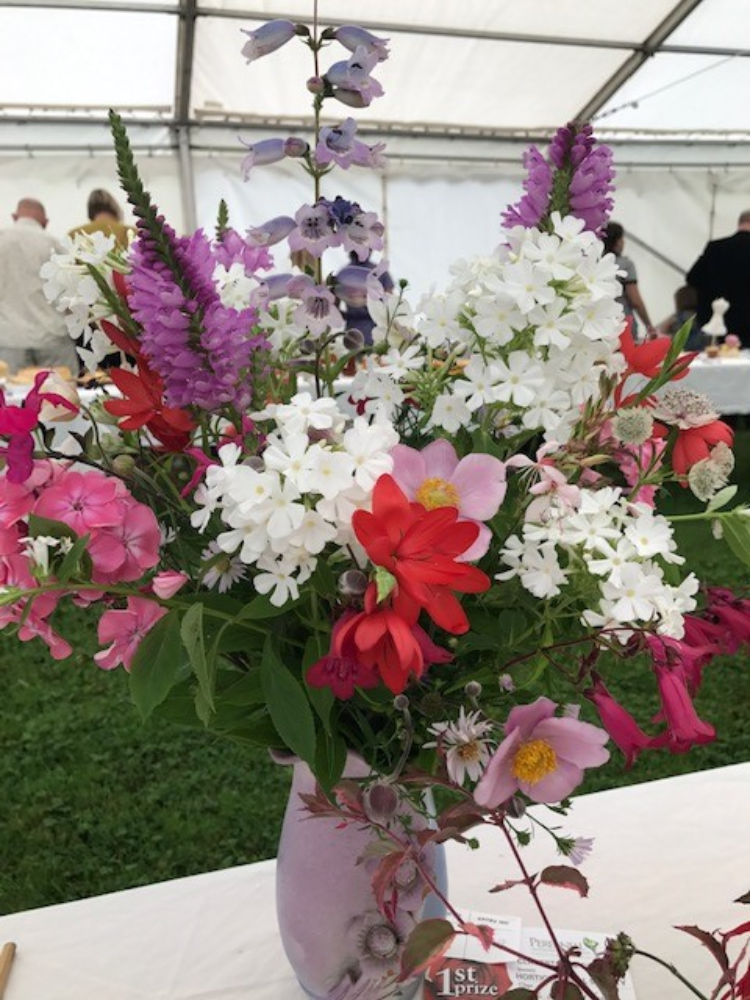
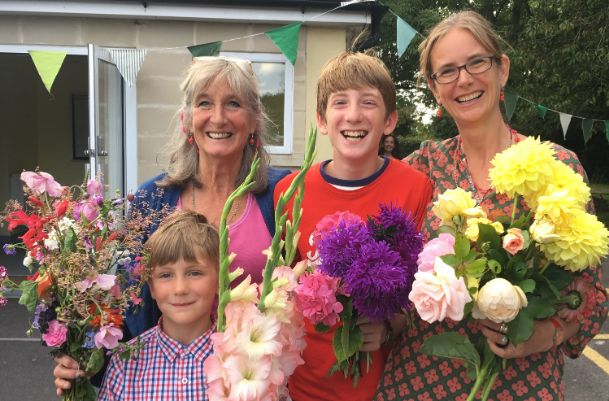
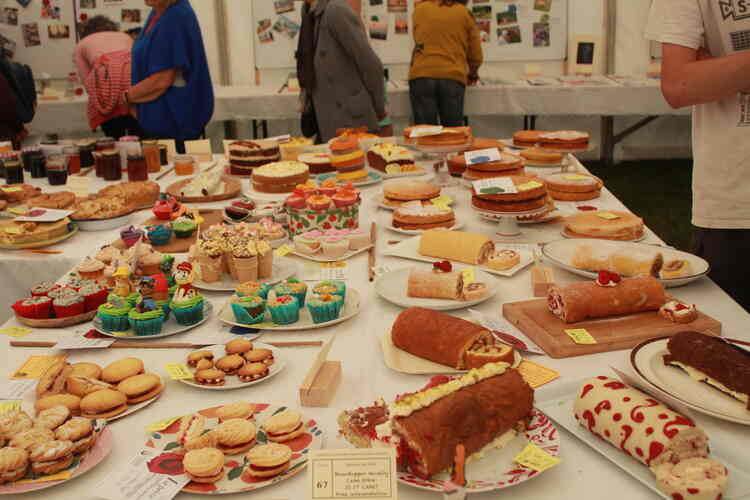
The showcase event for the Society is the Annual Flower and Produce Show. It has all the charm of a village show with its marquee, white tablecloths, homemade teas and cakes, traditional prize giving ceremony, rustic crafts and countryside stalls (e.g beekeepers, green woodworking), traditional children's games (e.g hook a duck and snail racing) and over 100 classes of fruit, veg, herbs, flowers, baking, photography, sculpture, art and handicrafts. There are some entertaining novelty classes and lots of children’s categories to choose from. It is a great value afternoon out for all the family.

2pm DOORS OPEN
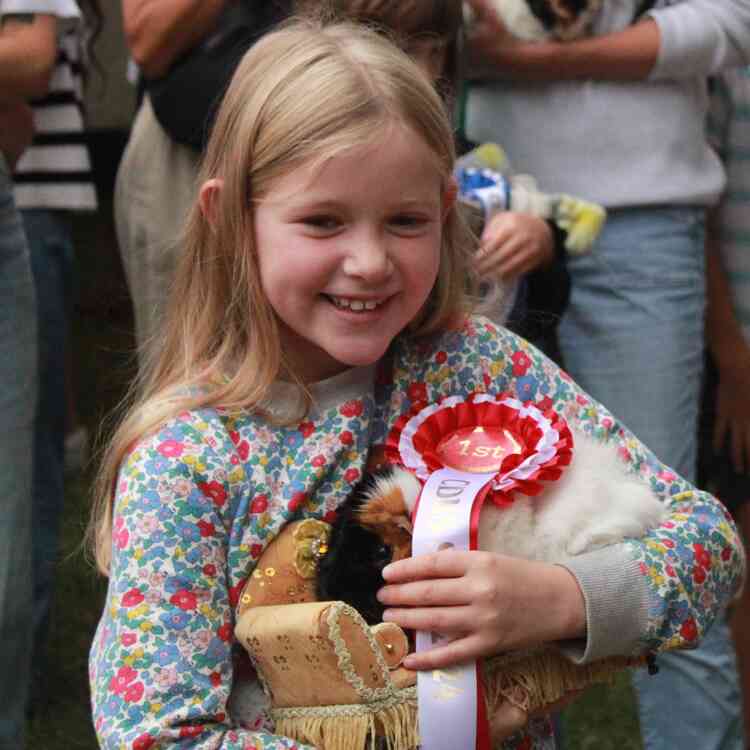
3pm Small Pet Parade
3.30pm Children’s Races
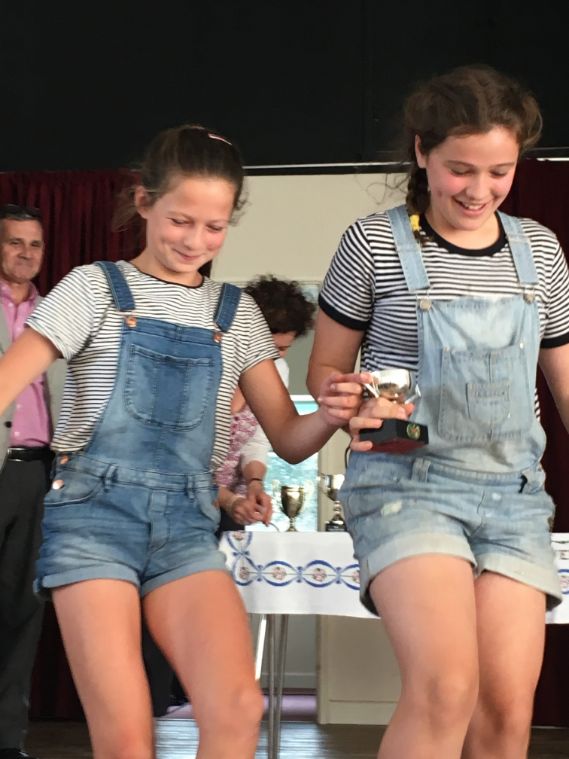
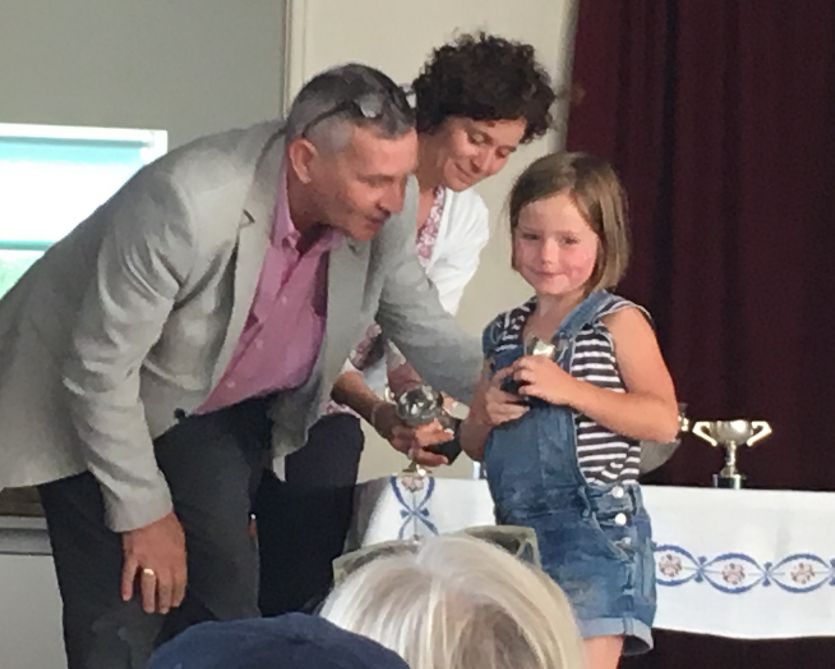
4pm Prize Giving
4:30pm Raffle and Product Auction

Admission £2, Children FREE
Claverton Down Community Hall and Marquee
Advice on Preparation and Display of Entries

Vegetables and Fruit

Most produce should be harvested as close to show day as possible. Alliums are the exception to this rule: onions, shallots and garlic should be dug up a few weeks in advance to allow time for the skins to dry.

With any exhibit the main qualities the judges are looking for are condition and uniformity of size and shape. Choose uniformity over size.

Trim or remove stalks, foliage and side shoots as required. If the specimens need to be washed, do so carefully, with a soft cloth and plenty of water. Do not use a hard brush, as this will damage the skin and spoil the specimen’s appearance. Retain the natural “bloom” of the specimen whenever possible. Under no circumstances should oils or similar substances be used in an attempt to enhance the appearance of the exhibit.

Transport your exhibits carefully, packing them well to avoid bruising and damage.

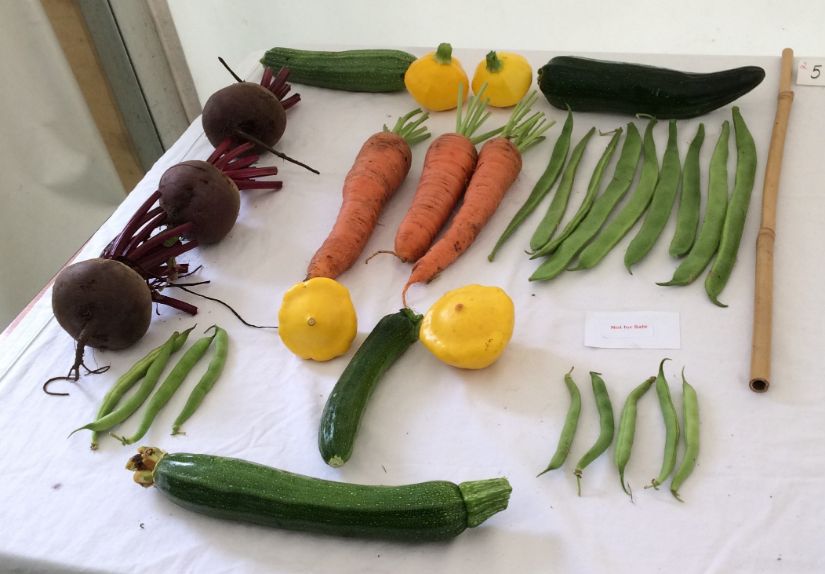
Vegetables should be staged attractively on plates, in a dish of sand or direct on the table. It looks better if straight vegetables (e.g. runner beans, courgettes) are arranged in rows and root crops (e.g. potatoes) and smaller items (e.g. shallots), in a circle. Appearance of a display, in the case of equally matched entries, can swing the result in your favour.

Fruit should be displayed attractively on a plate or in a basket.

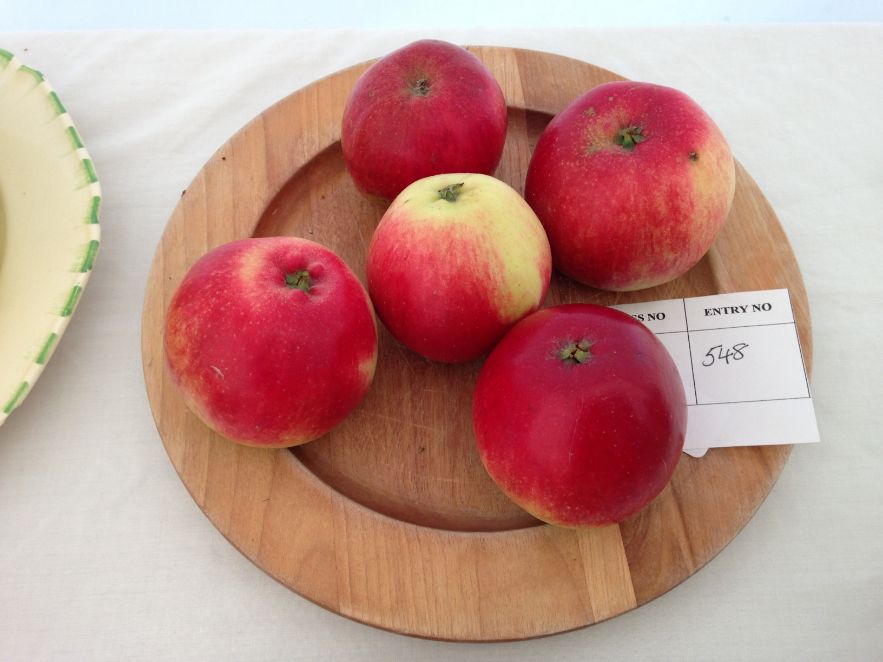
APPLES – Shapely, uniform fruits with clear, unblemished skins of good colour. Cooking apples should be large and solid. Keep the stalk. Display with the stalk end facing down.

BEANS (French) - Straight, fresh, tender pods of good colour, size and even length with no outward sign of seeds and having stalks and tails intact.

BEANS (Runner) - Long, flat, straight, fresh young pods, uniform in colour, shape, and length with little outward sign of seeds. Trim stalks to a uniform length.

BEETROOTS - Uniform size and colour, with clean, undamaged skin and a single root. Trim foliage to 75mm/3 ins and remove any small side roots.

BLACKBERRIES – Fully ripened fruit with good colour, shape and size with fresh calyces and stalks attached. Can be displayed as individual fruits or left on their strig.

CARROTS - Fresh, firm, smooth, of uniform length, width, and weight. Skins should be clean and bright with no sign of side roots and a good colour across the whole carrot. Trim foliage to 75mm/3ins.

CHILLI PEPPERS – Fresh, evenly and well coloured with uniform shape. Choose glossy fruit and leave a good length stalk.

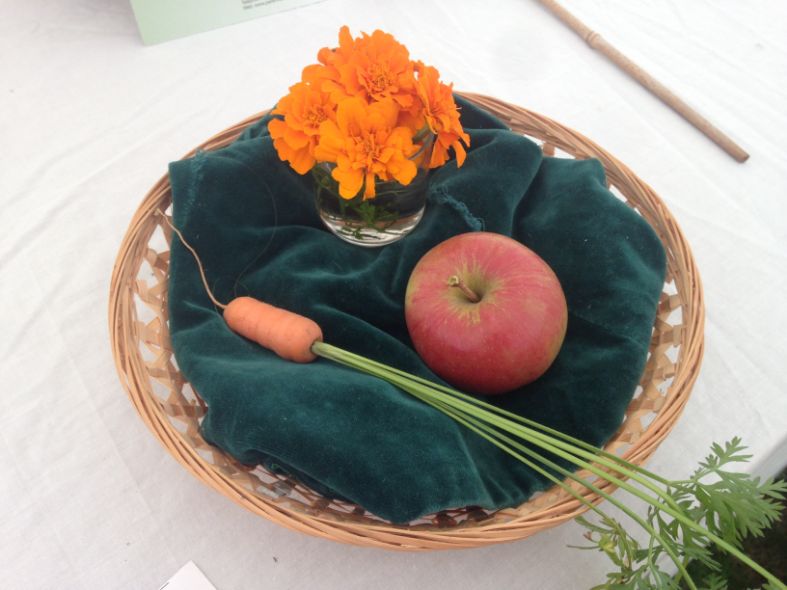
COLLECTION of VEGETABLES/FRUIT – The number of kinds must be observed but the quantity of that kind is up to you. Arrange your container attractively, concentrating on colour, quality and freshness. Try and use more unusual varieties to show growing skill.

COURGETTES – Young, tender fruits, uniform in size (around 150mm/6ins) and colour. Stalks must be present and if possible the flowers still attached.

CUCUMBERS - Fresh, young, good colour, blemish-free, straight and of uniform thickness. Keep some stalk. Make sure both fruits are a matching length.

CURRANTS – These are best displayed still on their strigs. The berries should be of a good size and ripe.

FIGS – Large, ripe fruit of good colour with their stalks and bloom intact. GARLIC – Clean, well-ripened, solid, well-shaped with roots removed and skin intact. Stem 50mm/2ins.

GRAPES – Large, complete, well-balanced bunches with uniform berries of good colour with a dense and intact bloom.

HERBS – Clean foliage that is fresh, healthy and blemish-free. Arrange attractively.

ONIONS – Uniform, well-ripened bulbs with firm, thin necks, with unbroken skins. Trim the necks to 25mm/1in and tie. Trim the roots back to the root plate. Do not over skin. Stage on a plate with sand.

PEARS – Large, uniform, shapely fruits with undamaged skins and stalks intact.

PEPPERS – Fresh, evenly and well coloured with good size and shape. Evidence of a fresh stalk.

PLUMS – Large, ripe fruit of good colour with their stalks and bloom intact.

POTATOES – Shapely, clean, medium-sized tubers with clear skins and shallow eyes. If coloured variety then well-coloured. Uniform size and shape essential.

RASPBERRIES – Large, ripe fruit of good colour with fresh calyces and stalks attached.

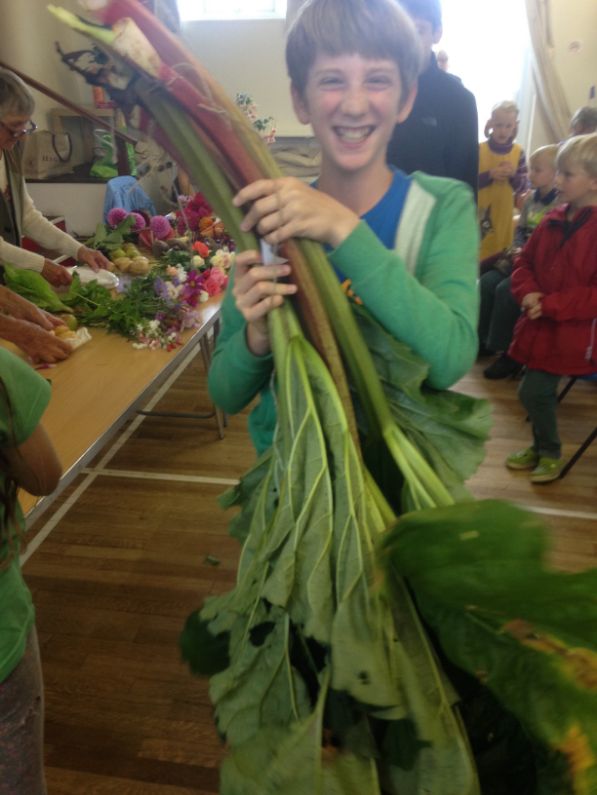
RHUBARB – Fresh, firm, straight, long, tender stalks of uniform length. Trim leaves to 75mm/3ins.

SHALLOTS – Similar preparations to onions. Ensure necks are thin and specimens well matched.

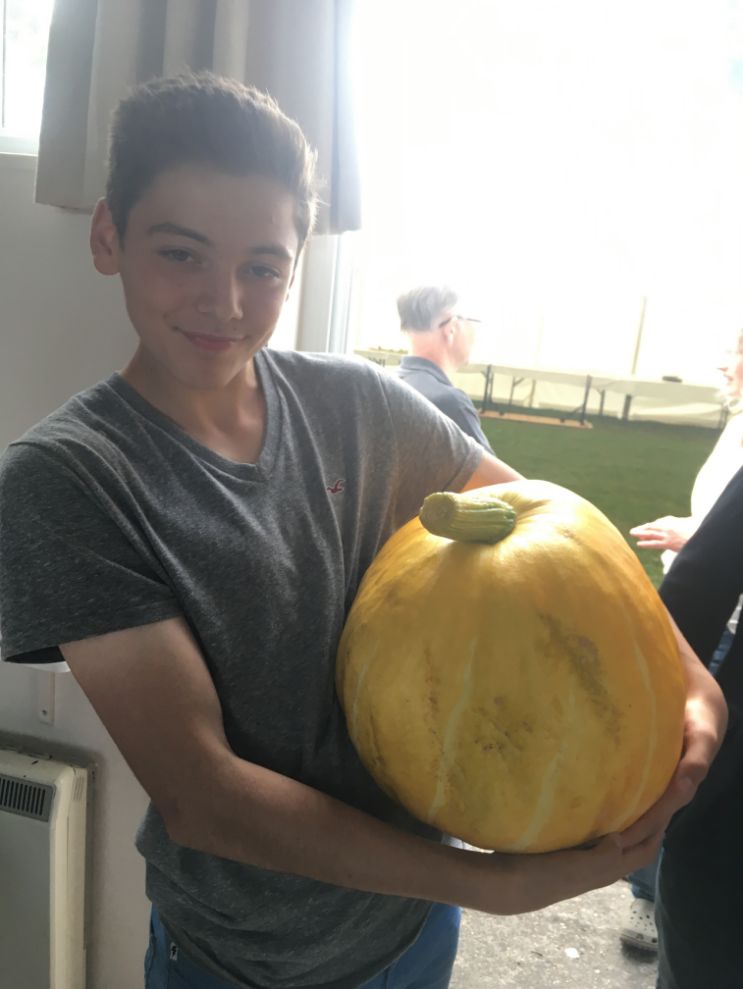
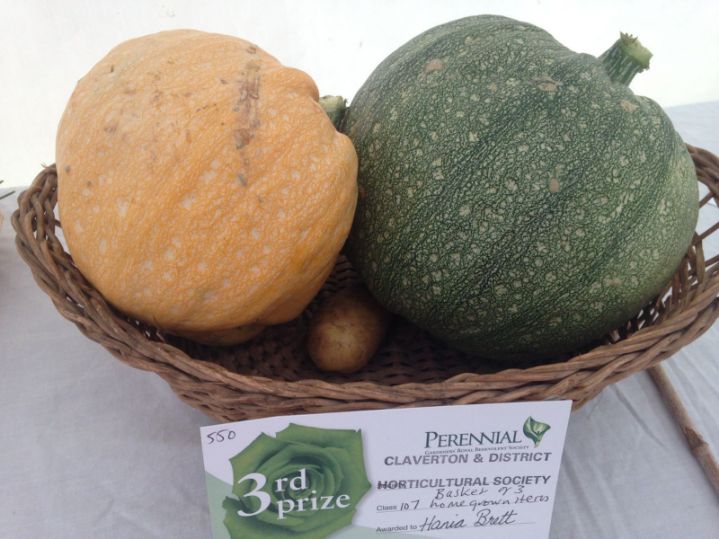
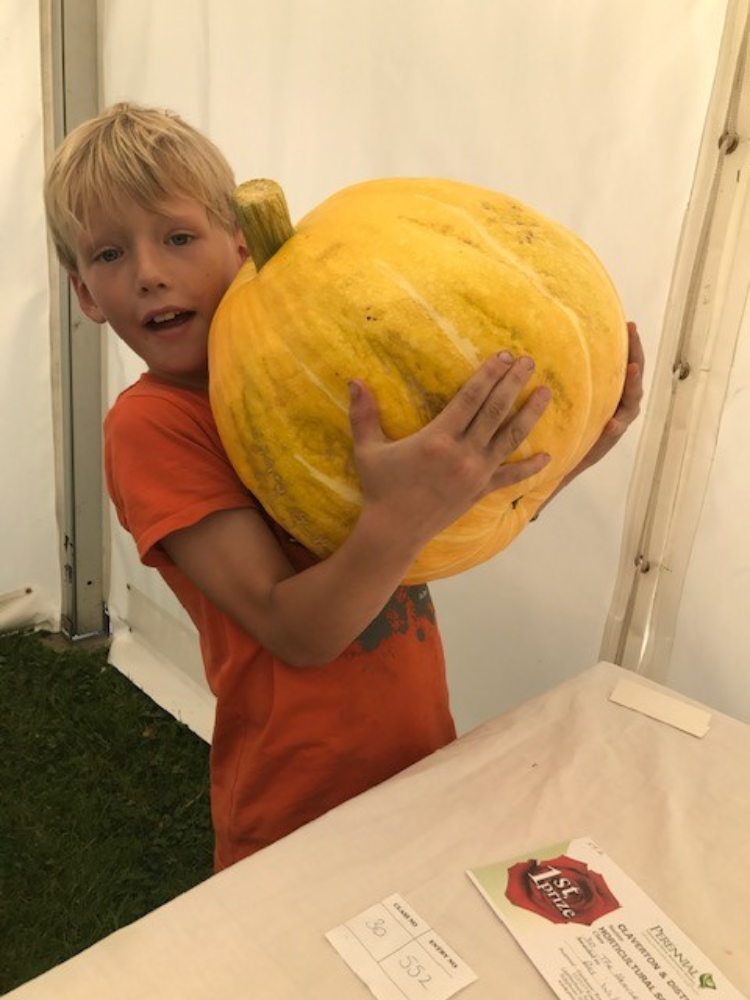
SQUASHES – Shapely, firm fruit of even colour and ripeness and a good size for the variety. Stalk attached.

SWEETCORN – Long, fresh, well-set throughout, with straight rows of undamaged, plump, tender grains. Cobs should be displayed with around one quarter of the grain exposed. Leave some stalk.

TOMATOES – Shapely, ripe but firm, well-coloured and blemish free with fresh calyces attached. Uniform size is essential.

Flowers

Cut on the evening before or the morning of the show, when flowers and foliage are cool. Flower stems should be cut as long as possible with a slanting cut as this will assist the uptake of water.

Remove underdeveloped side shoots, unopened buds and some of the lower leaves. Always keep plunged in water.

Arrange attractively avoiding the use of oasis. Although the container is not judged, the appearance of a display, in the case of equally matched entries, can swing the result in your favour.

Sponsors

BANES Allotments Association

In 2021 BANES Allotments Association generously began sponsoring our Annual Show. We are very excited to be joining forces with their members.

banes-allotments.org.uk

Fonthill & Lakeside Garden Centre

Every year Fonthill generously donate garden centre vouchers as prizes for the Annual Show.
fonthill-lakeside.com

Botanica Studio

Botanica Studio donated a gift voucher for the Ben Hussey Young Persons award.

botanicastudio.co.uk

Combe Down Garage

Combe Down Garage donated a free MOT test in the raffle.

combedowngarage.co.uk

Sydenhams

Sydenhams, your local builders merchants kindly donated timber for displaying our exhibits.

sydenhams.co.uk/

Our History

For well over 100 years, this Annual Show a little over a mile from the centre of Bath has retained all the charm of a traditional village show with its marquee and white tablecloths, homemade teas and cakes, traditional prize giving ceremony, rustic crafts and countryside stalls (e.g beekeepers, green woodworking), traditional children's games (e.g hook a duck and snail racing) and 100s of classes of fruit, veg, herbs, flowers, baking, photography, sculpture, art and handicrafts. There are some entertaining novelty classes and lots of children’s categories to choose from. It is a great value afternoon out for all the family.
The first Flower Show was held on August 19th 1898 in the grounds of Claverton Manor House and the 17th was held in 1960. Two World Wars as well as financial difficulties having interrupted the continuity.

It was then usually held in fields on Claverton Down but in 1959 it moved to the Community Hall, the hall itself being most convenient for the serving of teas and the exhibition of handicrafts while the grounds accommodate the tents for flowers and vegetables.

from 'The History of Claverton', 1962